Baylor College of Medicine
Children’s Foundation - Uganda
Children’s Foundation - Uganda
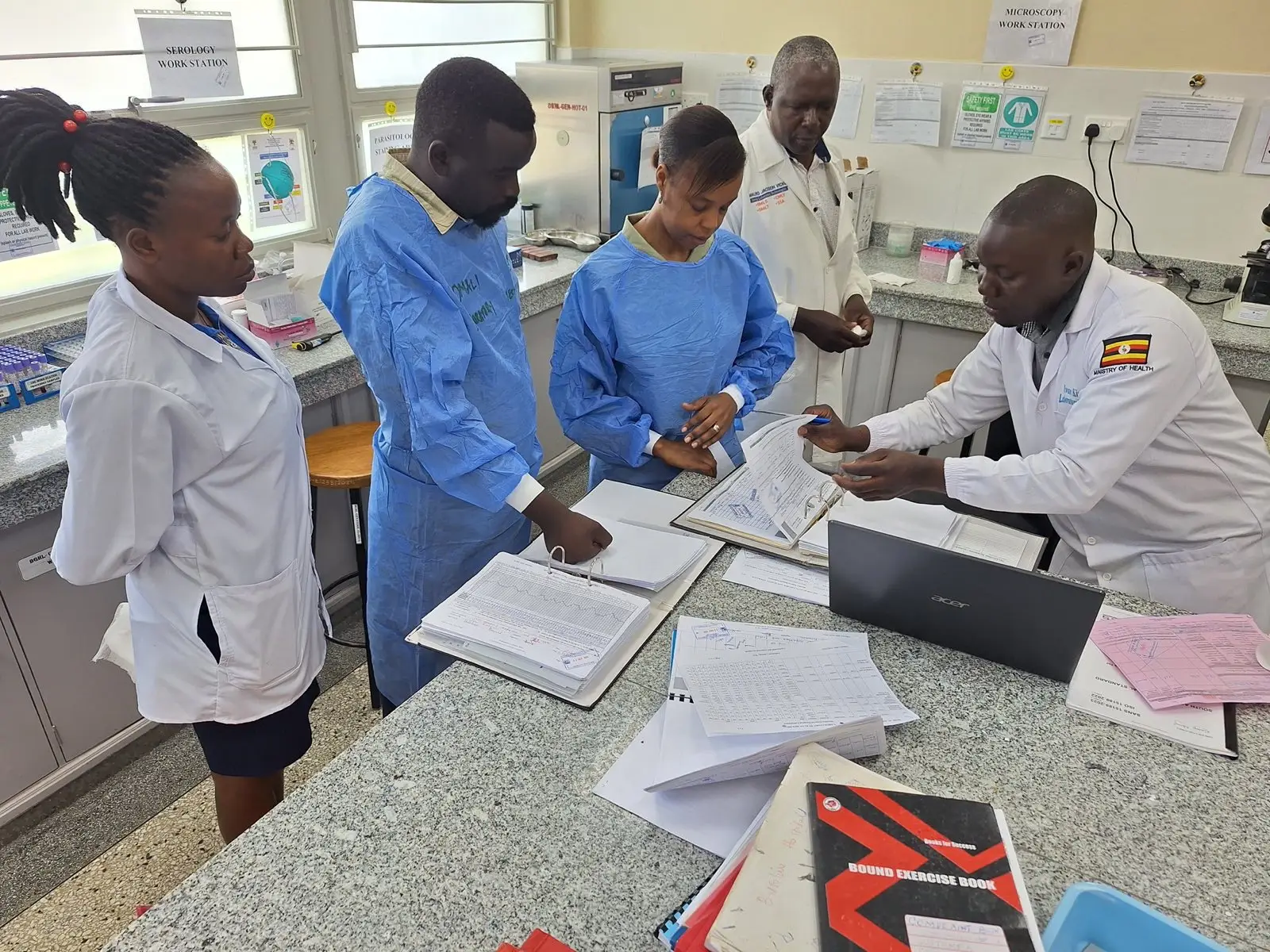
The Local Partner Health Services Eastern and Karamoja (LPHS-EK) Activity, implemented by the Baylor Foundation Uganda, is in its fifth year of operation. The Activity supports the Ministry of Health in achieving the PEPFAR goals of reaching and maintaining HIV epidemic control by 2025 and ending AIDS by 2030 by increasing the availability and utilization of quality integrated HIV/TB services in the region.
It builds on the US Government investments and national advances in the region to increase access to and use of high-quality integrated services that accelerate the ability and capacity of health services to respond to the health needs of the area residents. Baylor Foundation Uganda implements the LPHS-EK Activity that was modified in June 2025 to support the delivery of life-saving treatment for HIV and TB interventions in 76 public health facilities in the Karamoja region. The scope has thus increased from 16 sub- national units (15 districts and 0I city) to 25 and from 189 Public Health Facilities to 382 public health facilities.
Areas of support
LPHS-EK works with districts and other implementing partners in the region to support the implementation of prevention and treatment of HIV and TB services in 189 health facilities of Bugisu, Budaka, Sebei and Karamoja sub-regions in Eastern Uganda and 193 in Karamoja region. LPHS-EK has supported the TB and HIV sample transportation network, which hosts 12 laboratory hubs in Mbale Regional Referral Hospital (RRH), Moroto (RRH), Pallisa, Tororo, Kapchorwa, Bukwo, Busolwe, Bududa, Kotido, Abim, Kaboong general hospitals and Budadiri HC IV.
The Activity ensures a reliable supply chain of commodities and materials necessary for efficient service delivery, and institutional capacity building in districts for sustained epidemics identification, control and maintaining responses. Further, LPHS-EK’s key objective is to ensure that individuals, families, and communities are supported for linkages and referrals to high-quality available HIV and TB services in the region. LPHS-EK supports access to quality maternal, newborn, child, and adolescent health, malaria services in addition to controlling epidemics in the regions.
Robust quality improvement, monitoring and evaluation teams support the activities in the sub-region. The teams ensure that the Activity’s evidence-based performance is captured through knowledge management avenues and communicated to various audiences such as the Ministry of Health, US Department of State and its implementing partners, the districts’ leadership, health facilities, and communities.
In Eastern and Karamoja regions, LPHS-EK operates 24 Districts and 1 City in four sub-regions: Sebei (Bukwo, Kween, and Kapchorwa), Bugisu (Bulambuli, Sironko, Mbale, Mbale City, Manafwa, Bududa, and Namisindwa), Bukedi (Tororo, Butaleja, Budaka, Butebo, Kibuku, and Pallisa), and Karamoja (Nakapiripirit, Nabilatuk, Amudat, Moroto, Napak, Abim, Kotido, Kaabong, and Karenga).
The Activity has regional offices in Mbale City and Moroto Municipality. In partnership with the Offices of District Health Officers, it has secured office space in the following districts Kaabong, Kapchorwa, Manafa, Moroto, Nakapiririt, Pallisa, Sironko and Tororo.